Guardian Probe Exposes Curaçao Casino Ring Bypassing UK Player Protections, Drawing Millions Despite Self-Exclusion Barriers
Guardian Probe Exposes Curaçao Casino Ring Bypassing UK Player Protections, Drawing Millions Despite Self-Exclusion Barriers

A Shocking Revelation in April 2026
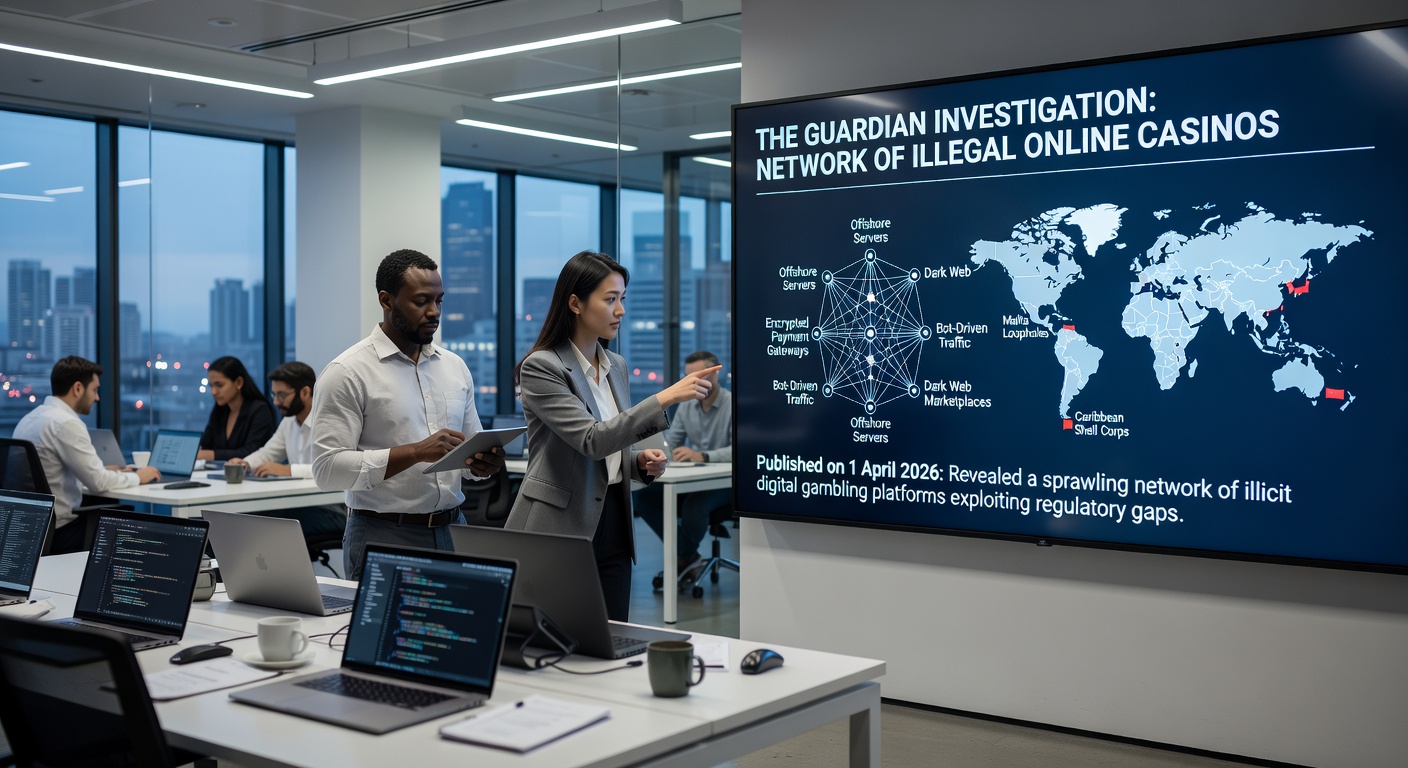
The Guardian dropped a bombshell investigation on April 1, 2026, shining a harsh light on a sprawling network of illegal online casinos that have been quietly infiltrating the UK market; sites like MyStake, Velobet, and Goldenbet sit at the heart of this operation, all run by Curaçao-registered Santeda International, while Georgian businessmen Tornike Tvauri, Alexander Makashvili, and Mikheil Merebashvili pull key strings behind the scenes, alongside software provider Upgaming. These platforms dodge UK licensing requirements entirely, luring in players—including those who've signed up for self-exclusion via GamStop—with aggressive tactics that keep the games flowing no matter the personal safeguards in place.
Figures reveal the scale: 2.3 million UK visitors flock to these sites each month, drawn by slick promotions and seamless access that licensed operators can't match; experts who've tracked the traffic note how affiliates and AI-generated content fuel this influx, creating fake reviews, tailored ads, and endless streams of bonus offers that pop up everywhere from social media to search results. One observer familiar with digital marketing patterns points out that such strategies exploit search engine algorithms, pushing unregulated sites to teh top while GamStop-protected players find their blocks easily sidestepped through simple VPNs or fresh accounts.
But here's the thing: this isn't just about clever tech; data indicates real devastation, with reports of massive financial losses piling up for everyday punters who thought they'd locked themselves out of gambling altogether. Take the case of self-excluded individuals who shared stories with investigators—people ending up tens of thousands in debt, chasing losses on slots and tables that never pause, even as their real-world finances crumble.
The Operators and Their Web of Connections
Santeda International, based in Curaçao, anchors this empire; records show it holds a license there, yet that jurisdiction's lighter touch allows operations that flout stricter rules elsewhere, particularly in the UK where full licensing demands rigorous player protections. Tornike Tvauri emerges as a central figure, with ties running deep through payment processing and site management; Alexander Makashvili handles affiliate networks that blast out invitations, while Mikheil Merebashvili oversees tech integrations via Upgaming, the software firm cranking out the games and interfaces that keep players hooked.
What's interesting is how interconnected it all is: public databases and leaked documents, as detailed in the Guardian piece, link these names across multiple domains, with shared IP addresses, identical backend code, and overlapping marketing teams creating a facade of separate brands. Affiliates—often UK-based influencers or websites—rake in commissions by driving traffic, sometimes earning up to 50% of player losses, which turns the whole setup into a referral machine that spits out leads around the clock.
Upgaming's role stands out too; the provider supplies live dealer games, slots, and betting options that mimic legit platforms, but without the oversight that catches problem gambling early. Those who've dissected the code note embedded features like auto-play loops and rapid-fire spins designed to maximize engagement, while AI tools generate personalized lures—think emails promising "exclusive GamStop-free spins" tailored to a player's past habits scraped from public data.
Preying on the Vulnerable: GamStop's Loopholes Exposed
GamStop, the UK's national self-exclusion service, blocks users from licensed sites for set periods—up to five years if chosen—but these offshore operators laugh it off; players simply switch browsers, use cryptocurrencies like Bitcoin or Tether for anonymous deposits, or register with minimal verification that skips identity checks entirely. Research from the European Gaming and Betting Association highlights similar patterns across borders, where self-exclusion databases fail against non-compliant platforms, leaving 20-30% of excluded gamblers still at risk.
Monthly UK traffic hits 2.3 million visits, per SimilarWeb data cited in the investigation; that's a flood of punters wagering on football bets, blackjack tables, and jackpot slots, often depositing via e-wallets or cards that bypass traditional banking flags. Affiliates amplify it all, with networks paying out for every signup or deposit, creating incentives that flood Telegram groups, Reddit threads, and Instagram stories with "no ID needed" pitches targeted straight at recovering addicts.
And the AI twist? Algorithms churn out content farms—thousands of blog posts and videos praising MyStake's "fast payouts" or Velobet's "huge bonuses"—all fabricated to rank high on Google, fooling searchers into clicking through. One digital forensics expert who analyzed the output described it as "indistinguishable from human writing at first glance," but laced with SEO tricks that dominate results for terms like "GamStop alternatives."
The Devastating Toll: Losses, Debts, and Tragedies
Financial harm mounts quickly; case studies in the report detail individuals losing homes, jobs, and families—one man racked up £150,000 in debt on Goldenbet roulette before hitting rock bottom, while a woman self-excluded via GamStop only to relapse via MyStake ads on her phone. Broader data from Australia's Gambling Research Centre echoes this, showing offshore sites contribute to 40% of high-risk gambling sessions in regulated markets, with average losses per problem gambler exceeding £10,000 annually.
Tragedies hit hardest: the investigation links at least three suicides directly to these platforms, where desperate players chased recovery bets until it was too late; families spoke out, describing ignored pleas for account closures and bonuses that locked in further play. Observers note how the lack of time-outs or deposit limits—standard on UK sites—turns casual spins into all-night marathons, with win rates tuned just low enough to drain wallets over time.
Yet recovery stories emerge too; one former player, after hitting GamCare helplines, exposed affiliate tricks that helped regulators trace networks, showing how community vigilance can chip away at the edges. Still, the numbers paint a grim picture—millions exposed monthly, with vulnerable groups like the self-excluded bearing the brunt because protections stop at national borders.
MPs Sound the Alarm, Pushing for Crackdowns
Parliamentary voices rose swiftly; Labour MP Alex Ballinger labeled the network a "predatory machine exploiting the weakest," calling for cross-border enforcement that hits payment processors and affiliate pipelines head-on, while Conservative stalwart Iain Duncan Smith urged immediate blocks on site mirrors and AI content farms, arguing that Curaçao licenses mean nothing without international muscle. Their interventions, timed right after the April 1 drop, spotlighted how these operations thrive on jurisdictional gaps—Georgian oversight lax, Curaçao permissive, UK rules unenforced offshore.
Funding boosts for enforcement efforts followed, with announcements of tech upgrades to detect VPN traffic and affiliate payouts; experts predict takedowns could shutter dozens of mirrors, but operators adapt fast, spinning up new domains overnight. That's where the rubber meets the road: sustained pressure from MPs keeps the issue in Westminster debates, potentially reshaping how self-exclusion tools evolve to cover global IPs.
Global Echoes and the Path Forward
This Curaçao-Georgia axis isn't unique; similar setups pop up worldwide, from Malta shadows to Asian hubs, as noted in industry watches. Players who've navigated these waters often discover shared hallmarks—crypto-only withdrawals to dodge chargebacks, loyalty programs that reward volume over responsibility, and chat support that nudges bigger bets during slumps. The Guardian's dive, backed by whistleblowers and data scrapes, sets a template for watchdogs elsewhere, proving public scrutiny can force transparency even from low-regulation zones.
Now, with traffic stats in hand and names named, enforcement teams gear up; whether it's domain seizures, banker freezes, or affiliate bans remains the ball in lawmakers' court, but patterns suggest quick wins pair best with long-game reforms like universal self-exclusion APIs. Those studying offshore flows emphasize education too—tools like browser extensions that flag unlicensed sites gain traction, helping punters spot the traps before they spring.
Wrapping Up the Exposé's Impact
The April 2026 Guardian investigation into Santeda International's casino web marks a pivotal moment, laying bare how MyStake, Velobet, Goldenbet, and kin evade GamStop while racking up 2.3 million UK hits monthly through AI sleight-of-hand and affiliate armies; Tornike Tvauri, Alexander Makashvili, Mikheil Merebashvili, and Upgaming's fingerprints cover the operation, fueling losses and lives upended from Curaçao desks. MPs like Alex Ballinger and Iain Duncan Smith amplify the call, pushing actions that could tighten the net, as data underscores the urgent human stakes—financial ruins, suicides, bypassed safeguards. Turns out, sunlight proves the best first strike, with momentum building for barriers that actually hold against the digital tide.