Global Licensing Shifts Spark Fresh Approaches to Casino Games and Wager Strategies
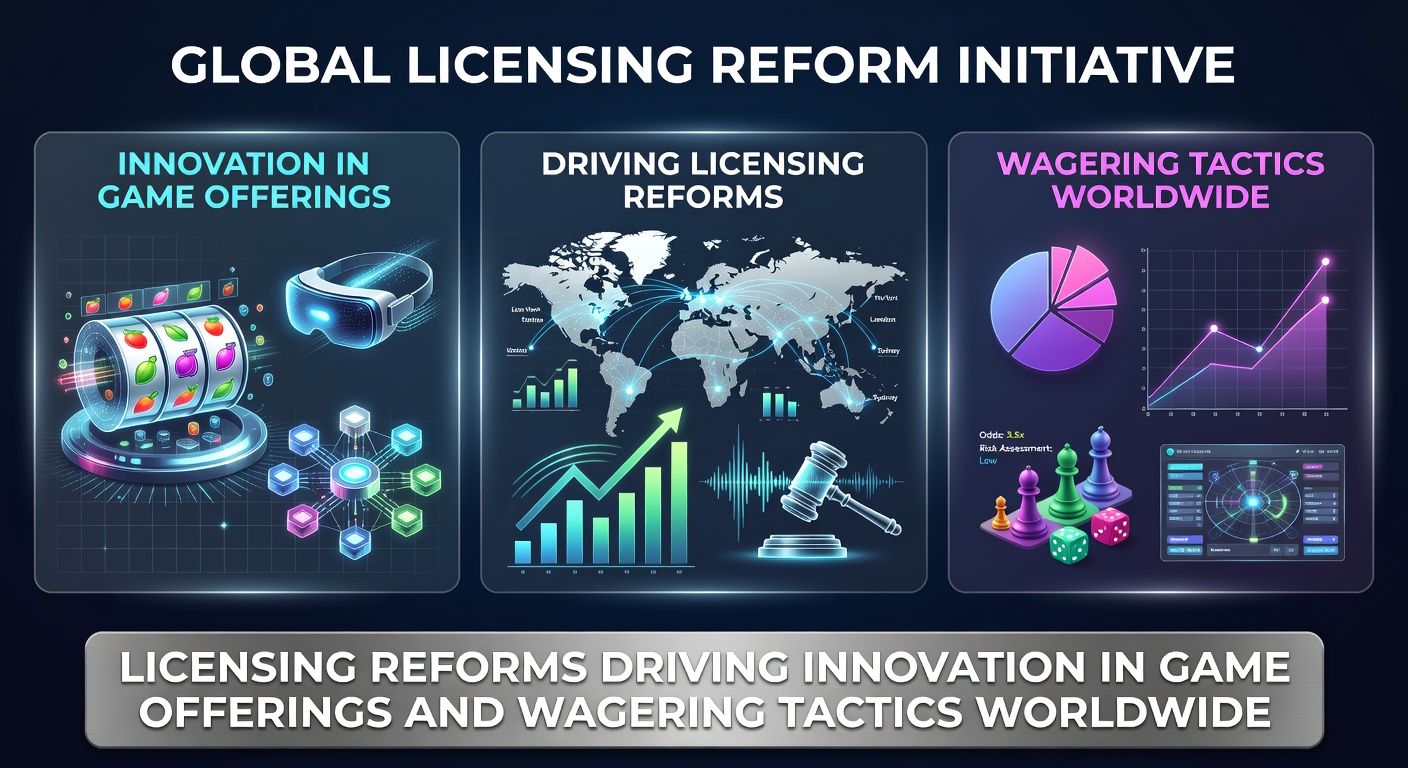
Regulatory bodies across multiple continents have introduced licensing frameworks that prioritize transparency and technological integration, and these changes have encouraged operators to expand their game libraries while refining wagering options. Data from industry reports released in early 2026 shows increased adoption of provably fair mechanics and live dealer formats in jurisdictions that updated their licensing criteria during the prior year. Observers note that these reforms often tie license renewals to compliance with player protection standards and innovation benchmarks, which in turn influences how developers structure new titles and how platforms present betting markets.
European Frameworks Set New Benchmarks for Operator Accountability
Malta's gaming authority and several Nordic regulators revised their licensing protocols in late 2025, requiring applicants to demonstrate advanced random number generator testing and real-time auditing capabilities. These requirements have prompted software providers to incorporate blockchain verification tools into slot and table game offerings, allowing players to confirm outcomes independently. Figures from the European Gaming and Betting Association indicate that licensed operators in these regions reported a 28 percent rise in live casino traffic between January and May 2026, coinciding with the rollout of updated compliance modules. Wagering tactics have also evolved, with platforms introducing dynamic odds adjustments tied to player behavior analytics that remain within the bounds of the new license conditions.
North American Jurisdictions Expand Market Access Through Revised Standards
State-level authorities in the United States and provincial regulators in Canada have aligned certain licensing elements with international best practices, particularly around responsible gaming features and data security. In Michigan and Ontario, for instance, license applicants must now integrate mandatory session time limits and loss threshold alerts directly into their platforms. Research compiled by the National Council on Problem Gambling shows these features appear in over 65 percent of newly licensed sites as of May 2026. Game developers have responded by creating titles that embed responsible play prompts without disrupting gameplay flow, while betting menus now include customizable stake limits that adjust automatically based on account history. One study conducted by researchers at the University of Nevada, Reno, documented how these integrated tools correlate with longer average player sessions when paired with transparent payout reporting.
Asia-Pacific Markets Embrace Tiered Licensing for Specialized Offerings
Australian and Japanese authorities have introduced multi-tier licensing systems that distinguish between traditional casino products and skill-influenced or hybrid games. Under these models, operators seeking higher-tier licenses must submit detailed plans for player education modules and third-party fairness audits. The resulting environment has supported the launch of games featuring variable reel structures and community jackpot systems that comply with cross-border data sharing rules. Wagering approaches in these markets have shifted toward segmented markets, such as period-specific handicaps and statistical prop bets, which platforms present only after verifying user age and location through enhanced KYC processes. Reports from the Asia Pacific Gambling Studies network highlight that jurisdictions adopting these tiers recorded measurable growth in licensed operator numbers during the first half of 2026.

Technology Integration Reshapes Both Game Design and Betting Execution
Reforms in several licensing regimes now mandate the use of certified APIs for third-party game aggregation, which has accelerated the deployment of cross-platform live dealer environments. Operators report that these technical standards reduce integration timelines and allow simultaneous offering of multiple regional game variants under a single license umbrella. On the wagering side, platforms have introduced conditional bonus structures that unlock additional betting options only after players complete predefined responsible gaming checkpoints. Evidence collected by the International Center for Gaming Regulation demonstrates that such conditional mechanics appear more frequently in markets with updated licensing cycles, correlating with higher retention rates among verified users. The reality is that these combined requirements push developers to prioritize modular game architecture and operators to refine risk management tools in tandem.
Cross-Border Collaboration Influences Future Licensing Trends
International working groups involving regulators from Canada, Australia, and several EU member states have begun sharing audit methodologies and data standards. This collaboration has led to pilot programs testing unified certification for certain game types, potentially streamlining market entry for compliant providers. As of May 2026, preliminary results indicate reduced duplication in testing procedures and faster approval timelines for games incorporating advanced RNG and encryption protocols. Those who've tracked these developments observe that wagering tactics are adapting accordingly, with operators launching region-specific promotions that reference shared compliance achievements. The approach reflects a broader movement toward harmonized yet locally responsive licensing environments that continue to support innovation while maintaining oversight.
Conclusion
Licensing reforms continue to serve as a catalyst for expanded game variety and refined wagering methods across global markets. Data from multiple regulatory sources shows sustained growth in licensed offerings and measurable shifts in how platforms structure betting experiences. These patterns suggest ongoing evolution as jurisdictions refine their frameworks and operators respond with compliant technological solutions.