Emerging Cryptocurrency Trends Point to Increased Virtual Table Game Activity Across South Asian Online Platforms
Written by Casey Hoffmann · Aug 6, 2026
Emerging Cryptocurrency Trends Point to Increased Virtual Table Game Activity Across South Asian Online Platforms
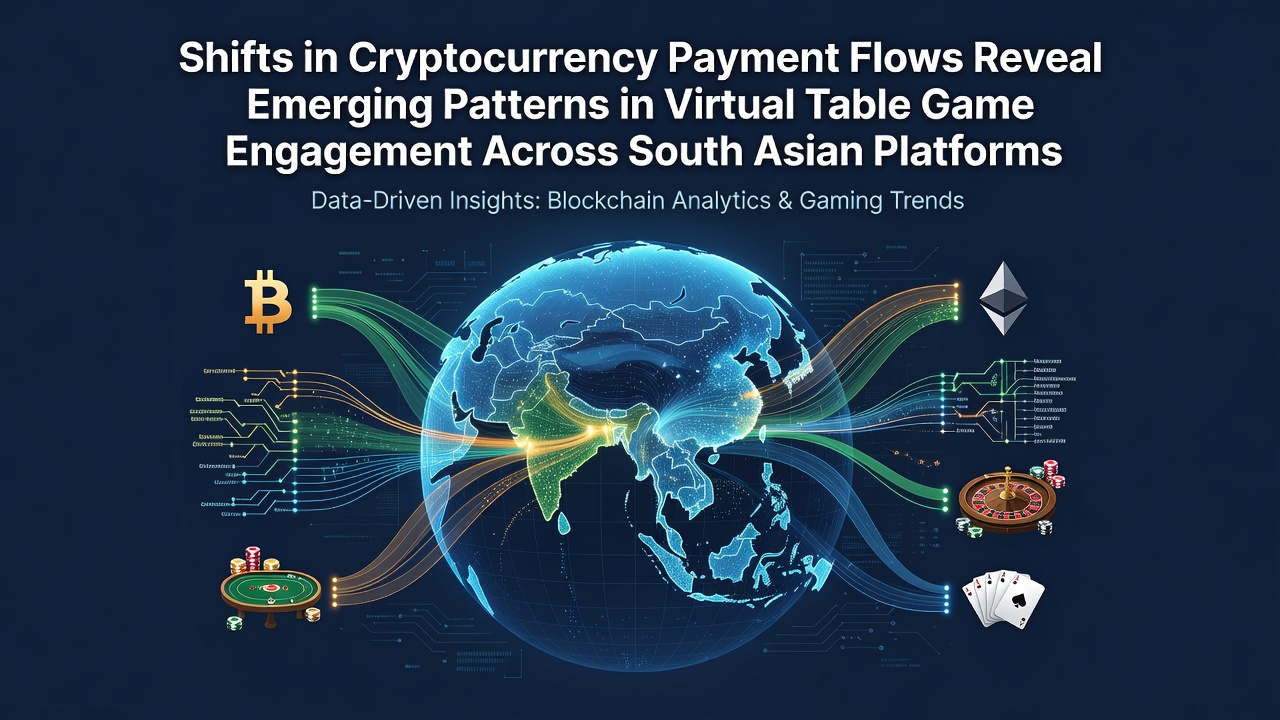
Data from blockchain analytics firms shows cryptocurrency transaction volumes directed toward virtual table games on South Asian platforms rose notably between January and August 2026, with stablecoins accounting for the majority of inflows while bitcoin transfers declined in relative share. Observers note these shifts coincide with platform operators expanding live dealer offerings in blackjack, baccarat, and roulette variants tailored to regional preferences.
Payment flow records indicate users in India, Pakistan, and Bangladesh increasingly route funds through decentralized exchanges before depositing into offshore gaming sites, a pattern that analysts attribute to fluctuating local banking restrictions rather than direct regulatory changes in those countries. Figures released in mid-August 2026 by several blockchain monitoring services revealed a 27 percent quarter-over-quarter increase in USDT transfers specifically tagged to table game wallets, whereas overall crypto volumes to all gaming categories grew only 11 percent during the same period.
Regional Transaction Patterns and Platform Adjustments
Researchers tracking wallet addresses associated with South Asian IP ranges documented a consistent preference for instant settlement methods over traditional card rails, with average deposit sizes for table game sessions climbing from approximately 85 USD equivalent in early 2025 to 112 USD by August 2026. Platform operators responded by integrating additional layer-two solutions and stablecoin pairs, which reduced confirmation times and lowered fees for players engaging in multi-hand sessions.
One study of on-chain activity across three major offshore operators found that sessions involving live dealer baccarat generated the highest repeat deposit frequency, followed closely by three-card poker variants popular in the region. These patterns emerged alongside promotional structures that reward consecutive table game play with bonus credits convertible back to cryptocurrency, creating closed-loop flows that analysts can observe through clustered wallet interactions.
Data Insights from Industry Reports
According to a report published by the Asia-Pacific Gaming Association, virtual table game engagement metrics on platforms accepting cryptocurrency showed average session durations extending by 14 minutes compared to earlier periods when fiat gateways dominated. The same report linked this extension to reduced friction in funding accounts, as players no longer needed to navigate intermediary processors subject to variable approval rates in South Asian markets.
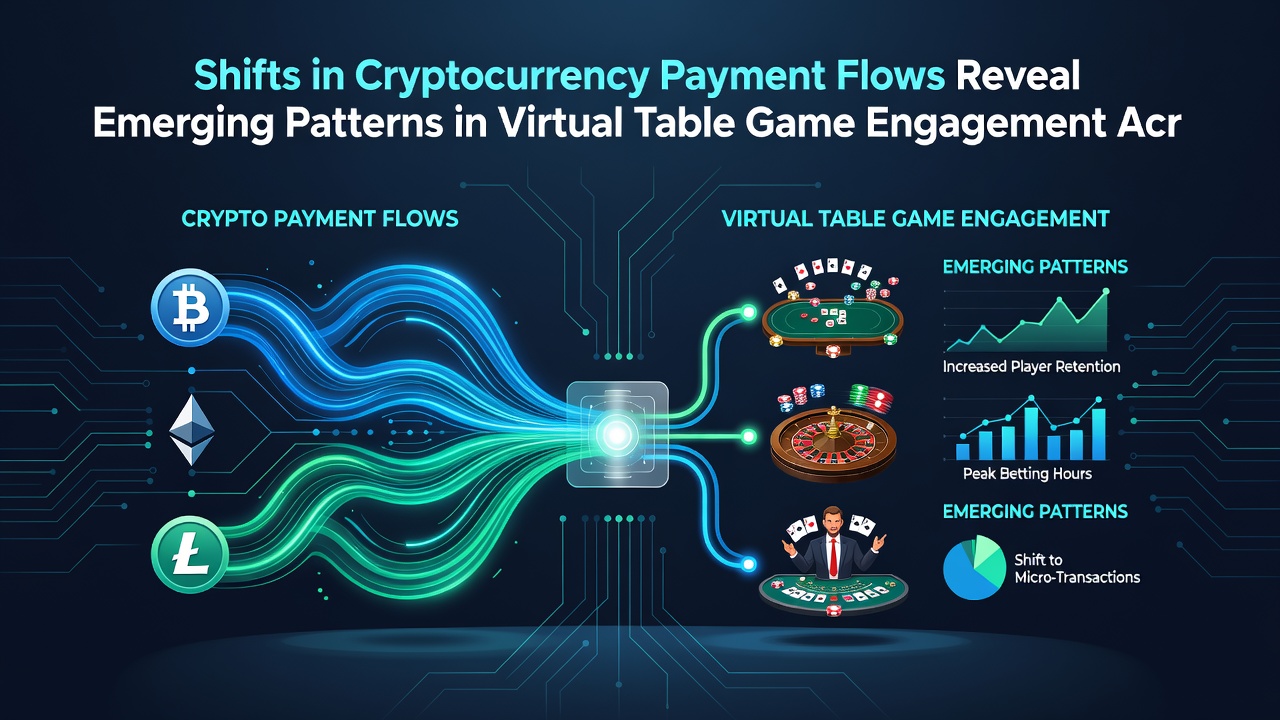
Academic researchers at the National University of Singapore examined transaction graphs from publicly available ledgers and identified clusters where repeated small-to-medium transfers preceded extended table game activity, suggesting users treat crypto wallets as dedicated gaming accounts. Their findings, released in July 2026, also noted that withdrawal patterns often mirror deposit timing, with many users cashing out winnings within 48 hours rather than holding balances on platforms.
Platform Features Driving Engagement Shifts
Operators have introduced features such as auto-cashout tools for crash-style hybrids and customizable betting interfaces for traditional table games, both of which correlate with higher cryptocurrency usage according to internal platform telemetry shared in industry briefings. These tools allow players to set parameters in advance, reducing the need for constant wallet interaction during live sessions and thereby streamlining the overall experience.
Evidence from transaction timestamps indicates peak activity hours align with evening periods in South Asian time zones, when live dealer tables staffed by dealers fluent in regional languages see the strongest participation. Cryptocurrency payments facilitate this timing because they operate continuously without banking hour limitations that previously constrained players using local payment rails.
Conclusion
Blockchain data combined with platform usage statistics demonstrates clear connections between evolving cryptocurrency payment preferences and heightened virtual table game engagement on South Asian platforms through August 2026. Continued monitoring of these flows will likely provide further indicators of how regional users adapt their gaming habits to available financial technologies.