Digital Wallet Transformations Opening New Routes to International Betting Platforms for South Asian Participants
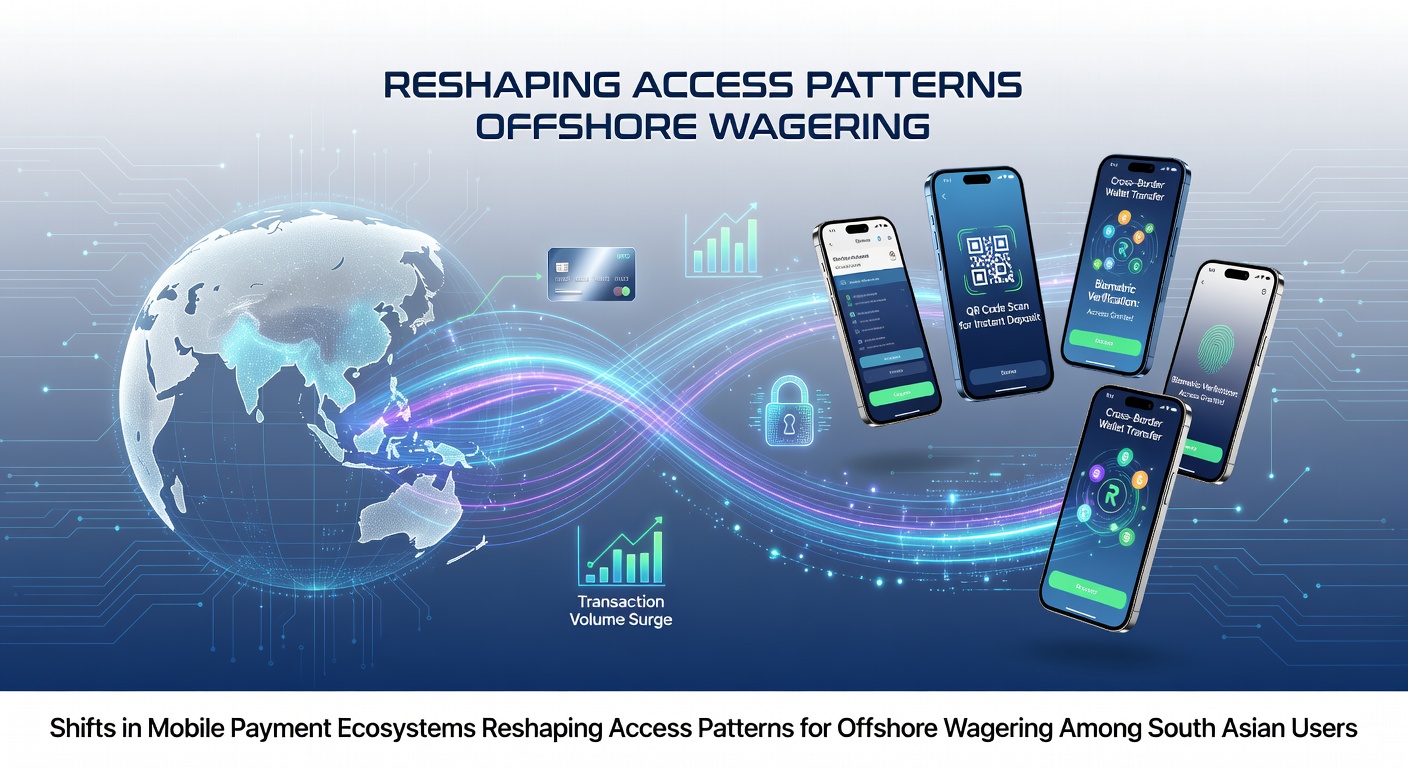
Payment applications across South Asia continue to expand their reach through faster transaction speeds and broader merchant integrations, and these developments now intersect directly with how users connect to offshore wagering platforms. Observers note that services such as India's Unified Payments Interface, Bangladesh's bKash network, and Pakistan's Easypaisa system have recorded year-over-year growth rates exceeding 25 percent in active accounts according to industry tracking reports. This expansion alters the pathways available for funding accounts on international sites while users remain within local regulatory environments.
Regional Payment Networks and Cross-Border Capabilities
India's UPI system processed more than 14 billion transactions in a single recent month, figures from the National Payments Corporation of India reveal, and several third-party applications built on this infrastructure now support wallet-to-wallet transfers that reach overseas destinations through intermediary processors. In Pakistan, the State Bank has authorized additional linkages between mobile wallets and foreign exchange channels, allowing users to complete small-value international transfers without traditional bank involvement. Bangladesh Bank data shows bKash handled over 300 million monthly transactions by early 2025, with a rising share routed through licensed payment aggregators that maintain connections to global financial rails.
These networks operate under varying compliance rules yet share common technical upgrades that reduce settlement times to seconds rather than days. Users in urban centers such as Dhaka, Karachi, and Mumbai frequently combine local wallet balances with virtual private network connections to reach offshore operators, while rural participants rely more heavily on agent-assisted top-ups that convert cash into digital credits accepted by international platforms.
Integration With Cryptocurrency Corridors
Stablecoin on-ramps have become another layer in the ecosystem, and several South Asian fintech firms now embed direct purchases of USDT or USDC inside their mobile applications. Research published by the Asian Development Bank indicates that cryptocurrency-linked transfers from the region grew by 18 percent between 2023 and 2024, driven partly by demand for faster settlement on gaming sites that accept digital assets. Payment providers in Singapore and Hong Kong serve as common bridges, routing funds originated from Indian or Pakistani wallets into blockchain addresses without requiring users to hold foreign bank accounts.
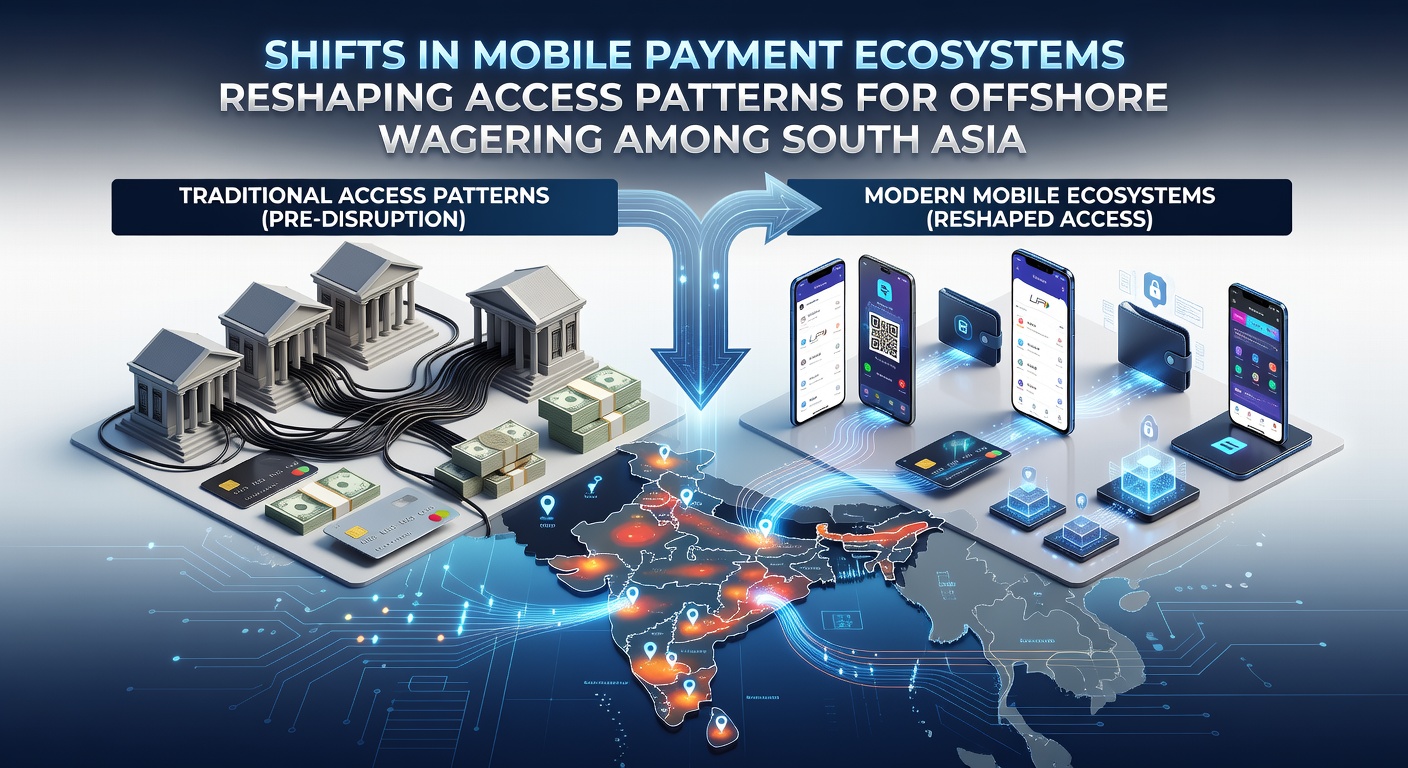
Operators based in Curaçao and Malta have adjusted their onboarding flows to accept these hybrid payment strings, and regulatory filings show an increase in traffic originating from South Asian IP ranges during evening hours when local payment windows remain open. The pattern suggests that wallet interoperability rather than traditional card processing now determines which platforms gain visibility among regional users.
Regulatory Adjustments and Scheduled Milestones
Central banks continue to refine guidelines around cross-border data sharing, and one scheduled review set for June 2026 in India is expected to clarify whether additional categories of payment aggregators may handle gaming-related flows under existing know-your-customer frameworks. Similar consultations are underway in Sri Lanka and Nepal, where mobile money penetration rates have climbed above 60 percent of the adult population according to GSMA intelligence datasets. These policy updates coincide with hardware improvements such as wider 5G coverage and cheaper smartphones that lower barriers for first-time digital wallet adopters.
Industry associations including the Asia-Pacific Lottery and Gaming Association have documented case studies from operators who report higher retention when local currency funding options appear at checkout. The same reports note that transaction success rates improve when platforms integrate directly with regional switches rather than relying solely on international card schemes.
Impact on User Behavior and Platform Selection
Access patterns shift as users discover which operators accept the widest variety of local wallets and stablecoin options. Data aggregated by research firms shows that platforms offering UPI and bKash deposits retain South Asian traffic at rates approximately 12 percent higher than those limited to cryptocurrency-only inflows. This preference holds across demographic segments, although younger users demonstrate faster adoption of QR-code-based funding methods while older participants continue to favor over-the-counter agent services.
Security features embedded in newer wallet versions, such as biometric confirmation and transaction limits tied to verified identity tiers, have reduced friction during deposit attempts. Observers record fewer abandoned sessions when these native authentication layers match the requirements of offshore sites, producing measurable differences in completed registration flows.
Conclusion
Collectively these developments illustrate how incremental upgrades in mobile payment infrastructure reshape entry points for South Asian users seeking offshore wagering options. Continued growth in wallet interoperability, combined with regulatory clarity expected around mid-2026, points toward sustained evolution in funding channels rather than abrupt disruption. The resulting landscape favors platforms that maintain flexible connections to regional networks while complying with both local and licensing jurisdiction requirements.