Digital Payment Advances Expand Online Entertainment Options in Southeast Asia
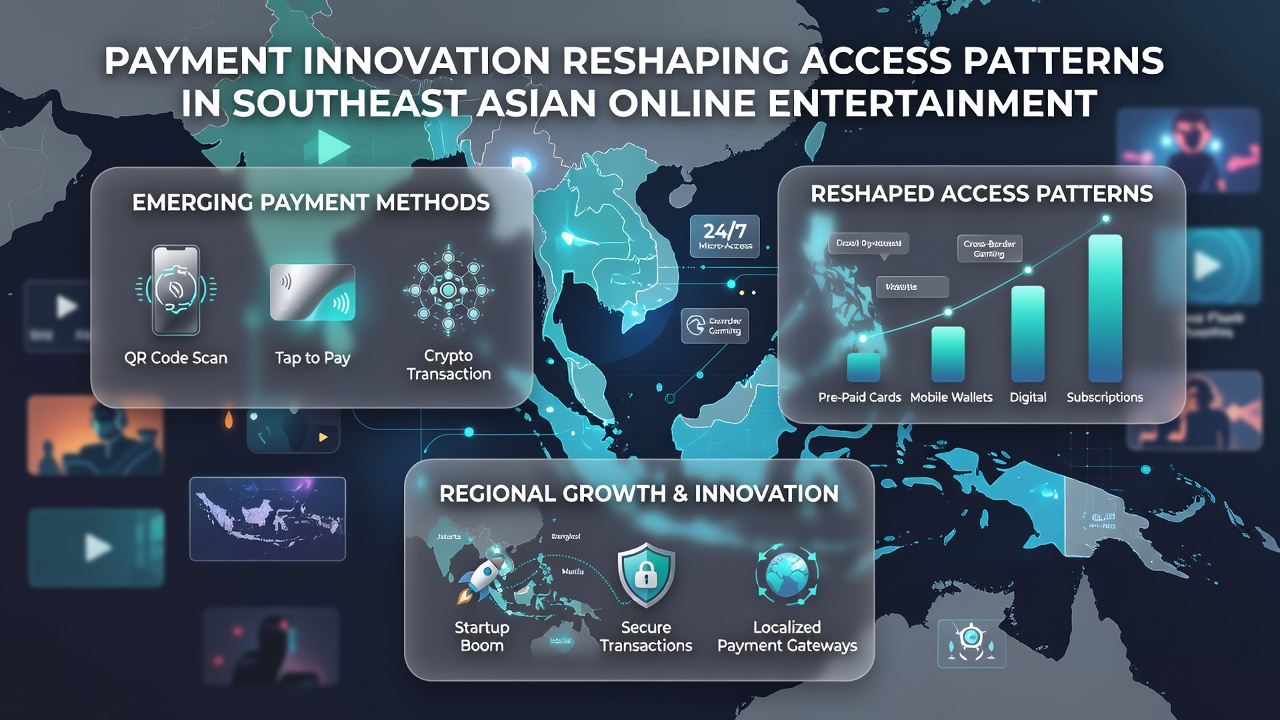
Payment systems across Southeast Asia have undergone rapid changes in recent years, and observers note that these developments continue to influence how people access online entertainment platforms as of August 2026. E-wallets, QR code transactions, and cross-border fintech integrations have become central to user experiences in countries including Indonesia, Vietnam, Thailand, Malaysia, and the Philippines, where traditional banking infrastructure often falls short in rural and suburban areas.
Expansion of Local Digital Wallets
Local digital wallet services such as GoPay, ShopeePay, and GrabPay have recorded substantial growth in transaction volumes, with data from industry reports indicating that these platforms now handle a majority of micro-payments for digital content and entertainment subscriptions. Users in Indonesia rely heavily on these tools because they integrate directly with ride-hailing and e-commerce apps already embedded in daily routines, which reduces friction when moving funds to entertainment accounts. In Vietnam, similar patterns emerge through apps tied to state-backed banks, allowing seamless top-ups without requiring full bank accounts.
Researchers at regional fintech studies have documented how these wallets bypass legacy card networks, enabling younger demographics in tier-two cities to participate in live streaming events and online gaming sessions that previously demanded international payment methods. Adoption rates climbed steadily through mid-2026, driven by partnerships between entertainment providers and local payment processors that offer instant settlement and low fees for small-value transfers.
Impact on User Access Patterns
Access patterns have shifted noticeably as payment innovations lower entry barriers for first-time users. Data from market analyses shows that regions with high mobile penetration but low credit card ownership now report increased engagement with subscription-based entertainment services, including video-on-demand libraries and interactive gaming environments. QR-based payments, promoted widely by central banks in Thailand and Malaysia, allow instant authorization at checkout pages, cutting down on abandoned transactions that once plagued cross-border entertainment sites.
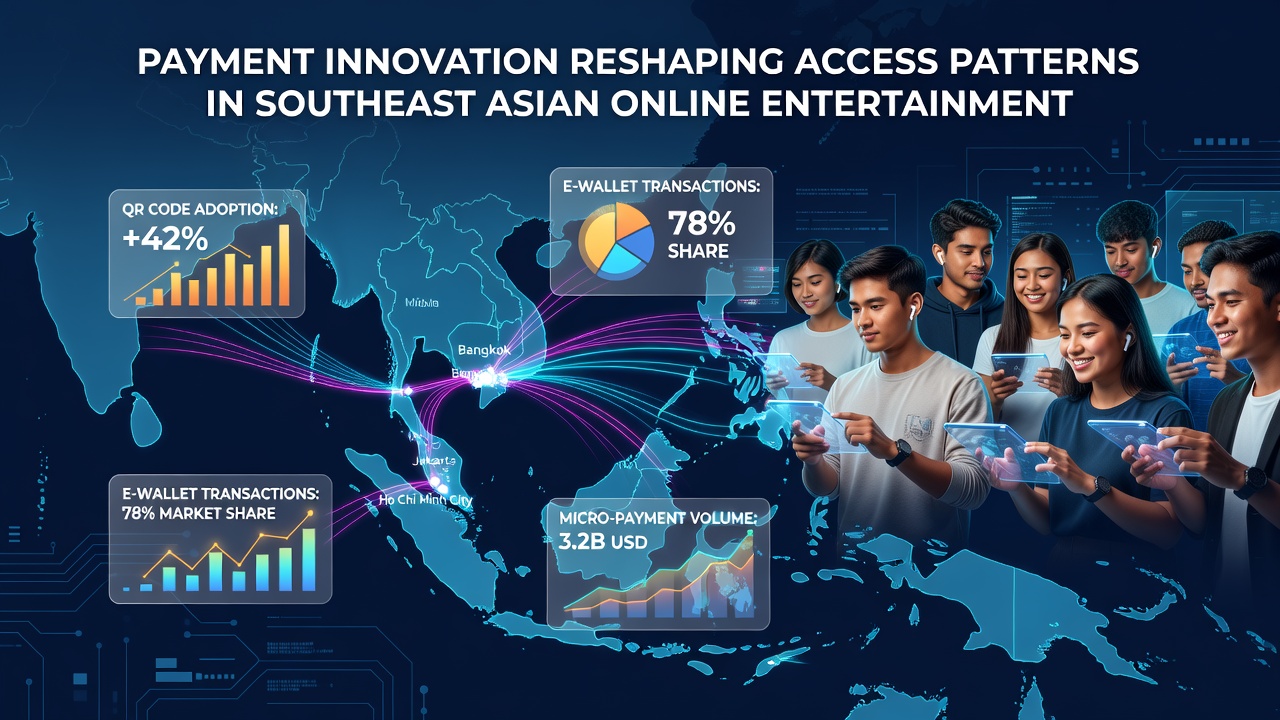
Those who track consumer behavior point out that recurring payment features built into these wallets encourage longer subscription periods rather than one-off purchases. This change appears in usage statistics released by entertainment platforms operating across the ASEAN region, where repeat access from the same devices has risen in line with the rollout of automated top-up options. Meanwhile, cryptocurrency options have gained limited but growing traction in Singapore and parts of the Philippines, where regulatory clarity from bodies such as the Monetary Authority of Singapore supports controlled experimentation with digital assets for premium content unlocks.
Regulatory Frameworks and Regional Variations
Regulatory approaches differ across Southeast Asian markets, yet most governments have introduced guidelines that balance innovation with consumer safeguards. Indonesia's OJK has expanded licensing for payment service providers, while Vietnam's State Bank continues to pilot sandbox programs for new transaction methods aimed at digital services. These measures, according to summaries from international development organizations, have helped standardize security protocols without stifling the growth of entertainment-linked payment flows.
Observers highlight that cross-border payment corridors now link users in one country to platforms hosted in another more efficiently than before, thanks to real-time settlement networks introduced in 2025. For instance, Malaysian users can fund accounts on Thai-based streaming services through integrated wallet transfers that settle within seconds, reducing reliance on slower wire services. Such connectivity has opened access for populations previously excluded by currency conversion hurdles and processing delays.
Challenges in Implementation
Despite progress, infrastructure gaps remain in certain rural zones where internet stability affects transaction reliability. Studies from academic institutions in the region note that intermittent connectivity can interrupt payment confirmations, leading platforms to develop offline queuing features that complete transfers once signals return. Fraud prevention also receives ongoing attention, with payment providers deploying AI-driven monitoring that flags unusual patterns without disrupting legitimate entertainment purchases.
Industry associations have published guidelines encouraging transparency around fees and data handling, which helps maintain trust as more users migrate from cash-based systems to digital alternatives. These efforts coincide with broader digital economy strategies promoted by ASEAN bodies that aim to unify standards across member states by the end of the decade.
Conclusion
Payment innovations continue to reshape how Southeast Asian audiences reach online entertainment, supported by expanding wallet ecosystems, regulatory adjustments, and improving connectivity. Figures from multiple sources reveal sustained increases in transaction counts tied to digital content, while access patterns reflect greater inclusion for users outside major urban centers. As these systems mature through 2026 and beyond, the interplay between local payment tools and entertainment platforms is expected to drive further evolution in user behavior across the region.