Cultural Norms Redefine Incentive Designs in Shared Digital Platforms Across Growing Economies
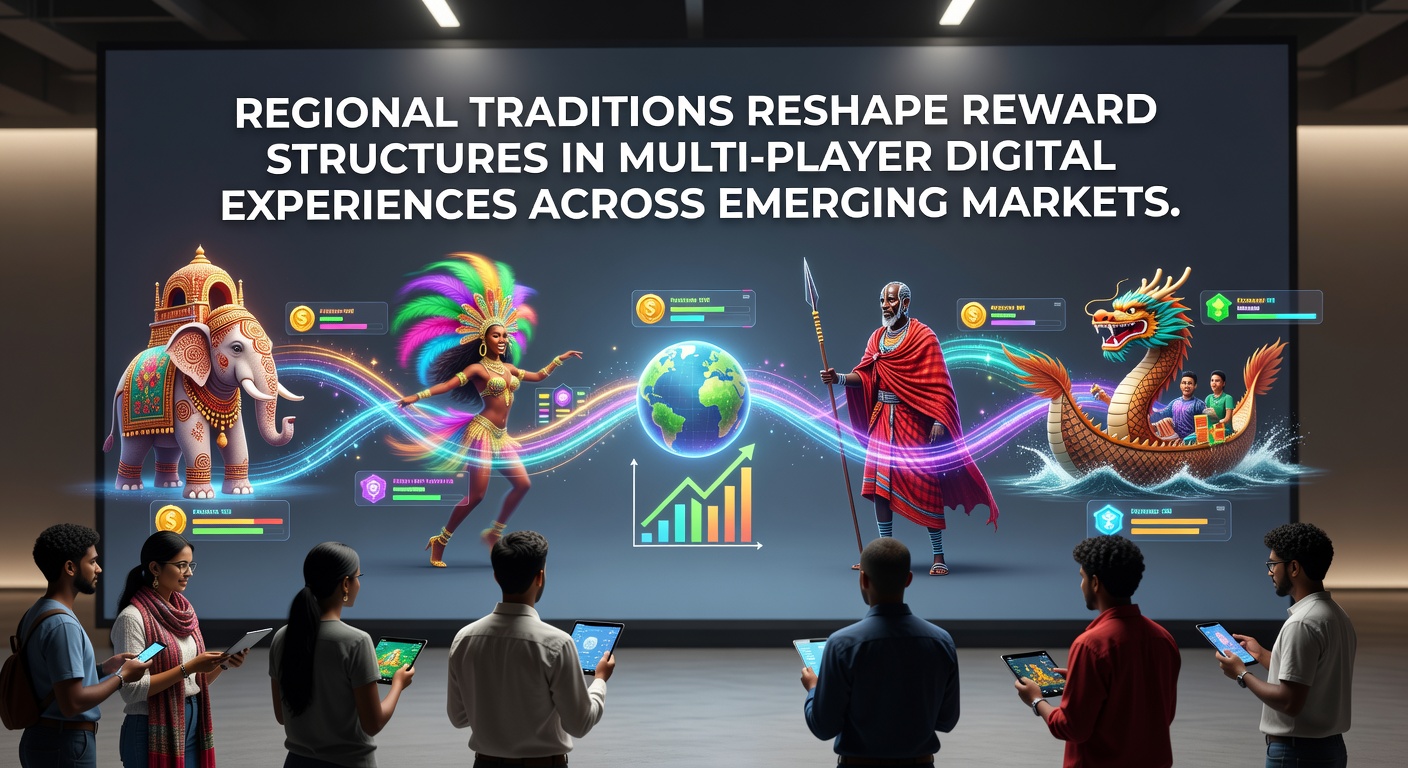
Regional customs continue to influence how developers structure rewards in multiplayer digital experiences throughout emerging markets, and data from multiple industry reports shows this pattern accelerating as platforms expand into new territories. Local festivals, family obligations, and community hierarchies often determine which types of incentives resonate with users in places such as Southeast Asia, parts of Africa, and Latin America. Companies adjust bonus systems, leaderboard formats, and collaborative challenges to align with these longstanding practices rather than importing uniform models from established markets.
Family Structures Shape Group-Based Rewards
Extended family networks play a central role in many emerging economies, and game designers have responded by creating shared reward pools that distribute benefits across multiple accounts. In regions where household decisions involve several generations, platforms introduce family-linked achievements that unlock collective prizes when participants complete tasks together. Studies conducted by academic researchers at institutions in India and Brazil indicate that these mechanics increase retention rates because they mirror existing social expectations around mutual support. Observers note that individual leaderboards lose appeal when users prefer systems that highlight collective progress over personal rankings.
One example appears in mobile battle arenas popular across Indonesia and the Philippines, where clan rewards tie directly to harvest festivals. Developers time special events to coincide with these periods, allowing participants to pool resources for larger payouts that benefit entire groups. This approach differs from Western models that emphasize solo progression and has led to higher participation numbers during culturally significant months.
Festival Cycles Drive Seasonal Bonus Adjustments
Traditional calendar events reshape how platforms schedule promotions and limited-time rewards. In markets influenced by lunar new year celebrations or harvest rituals, companies modify their calendars to release high-value items during these windows rather than following global release schedules. Figures from regional analytics firms reveal that engagement spikes between 40 and 60 percent when rewards reference local symbols or stories. Developers therefore embed cultural motifs into visual designs and quest narratives, creating experiences that feel familiar while still functioning within digital frameworks.
Community Hierarchies Influence Status Systems
Social standing within villages or neighborhoods carries over into virtual environments, prompting platforms to build tiered reward structures that respect age or role-based respect systems. Younger players often receive guidance rewards that acknowledge mentorship from elders, while senior participants gain recognition badges for overseeing group strategies. Research published by university teams in Kenya and Nigeria documents how these adaptations reduce friction between real-world expectations and in-game behavior. Platforms that ignore such hierarchies experience faster churn because users feel the systems conflict with daily life patterns.
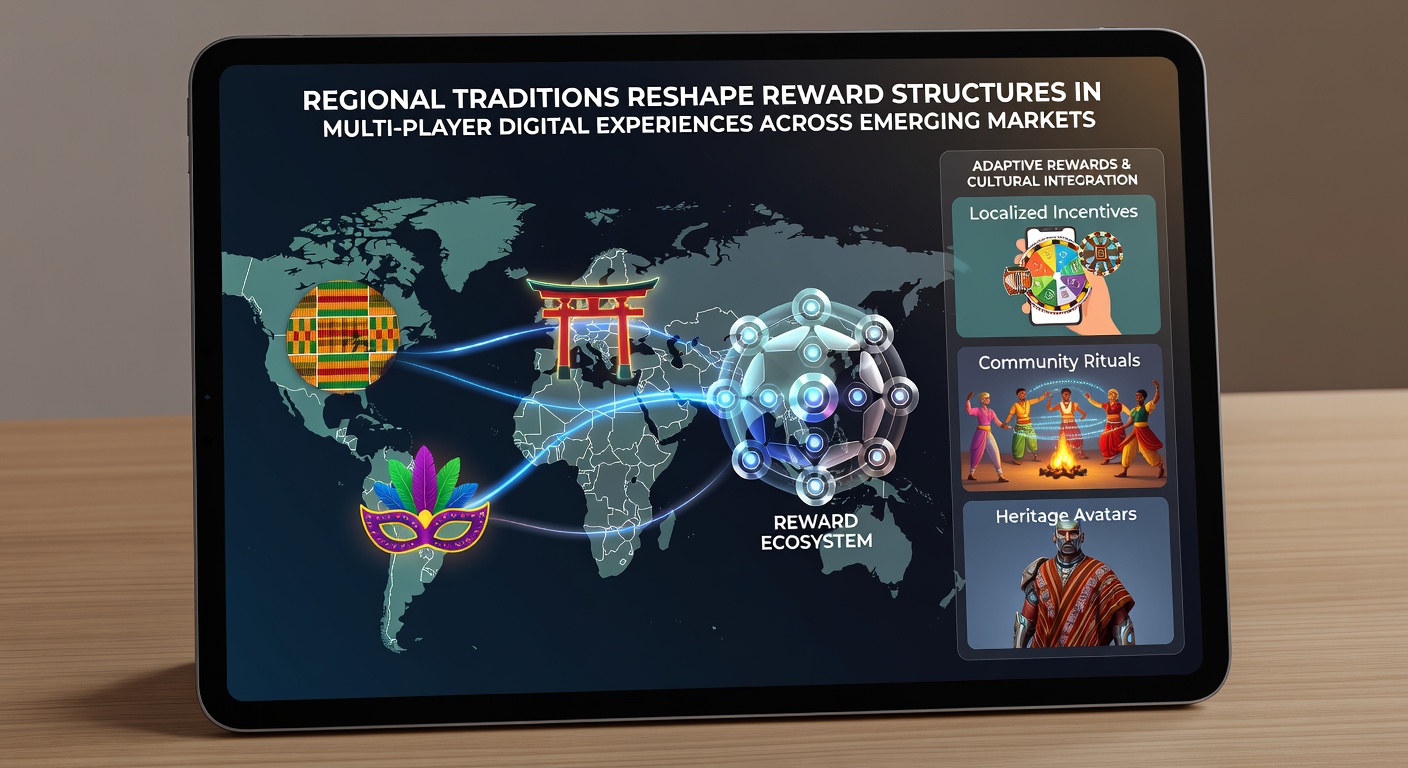
Industry organizations such as the Entertainment Software Association have tracked similar shifts in Latin American markets where neighborhood-based guilds receive priority access to limited items. These changes emerged after developers consulted local partners who explained how status operates outside game environments. The result appears in mechanics that allow established community figures to distribute rewards rather than relying solely on algorithmic rankings.
Regulatory Developments Expected by June 2026
Upcoming policy reviews scheduled across several jurisdictions may formalize these culturally adapted reward models. Analysts expect new guidelines in parts of Southeast Asia and East Africa to require clearer disclosure of how regional traditions factor into bonus allocation by June 2026. Such frameworks could standardize practices already in use while protecting users from mismatched incentive designs imported from other regions. Government agencies in Singapore and Kenya have begun preliminary consultations with platform operators to gather data on existing adaptations.
Observers note that platforms already testing these approaches report smoother regulatory navigation because their systems demonstrate alignment with local values. Data collected by research institutions shows reduced complaint volumes when rewards reflect community norms rather than generic global templates.
Conclusion
Regional traditions continue to reshape reward structures as developers expand multiplayer digital experiences into emerging markets, and evidence from multiple sources confirms that culturally aligned incentives produce stronger engagement patterns. Platforms that integrate family networks, festival timing, and community hierarchies into their designs achieve more consistent user retention across diverse territories. As regulatory updates approach in June 2026, further refinements seem likely based on ongoing consultations between operators and local stakeholders. These developments reflect broader patterns where digital systems adapt to existing social frameworks rather than attempting to replace them.