Cryptocurrency Systems Alter Reward Chains and Player Tactics in Crash Multiplier Formats
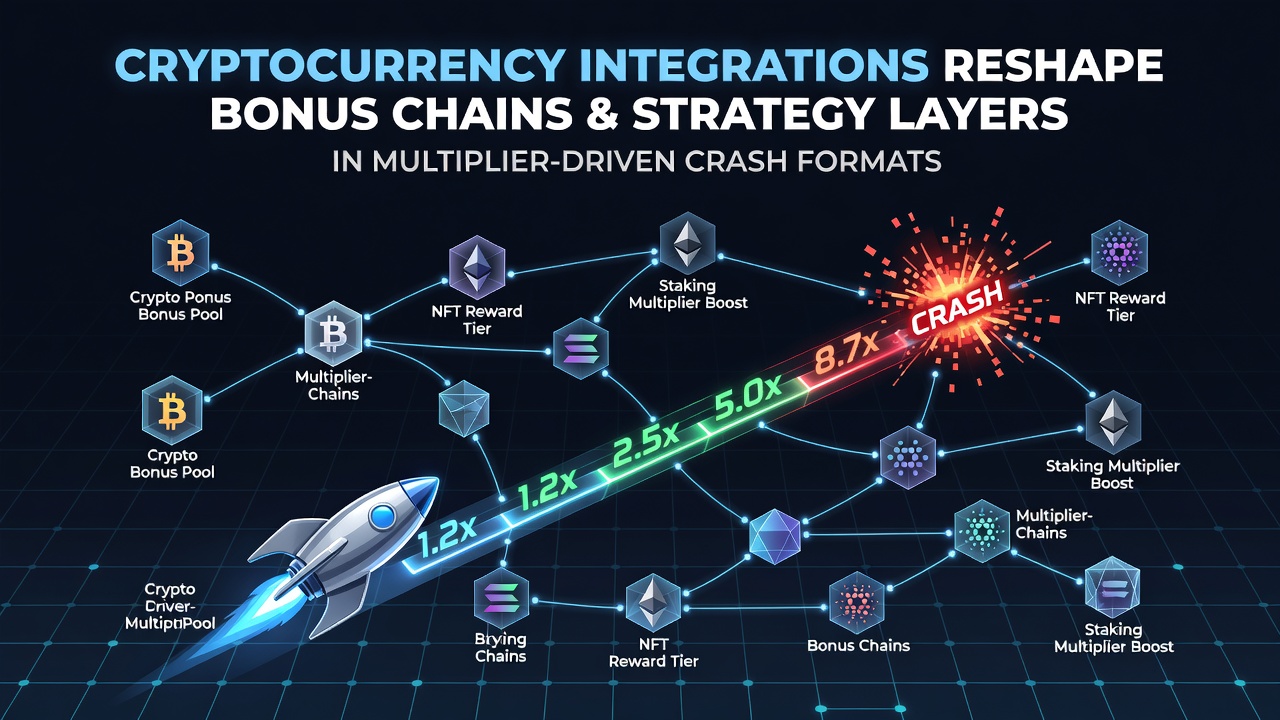
Crash game platforms built around rising multipliers have incorporated cryptocurrency payment rails at an accelerating pace since 2024, and data from multiple regional operators shows measurable shifts in how bonus structures accumulate and how participants sequence their decisions. Observers note that blockchain-based ledgers allow near-instant settlement, which in turn lets operators layer successive bonus triggers without the delays once imposed by traditional banking rails.
Mechanics of Crypto-Enabled Bonus Accumulation
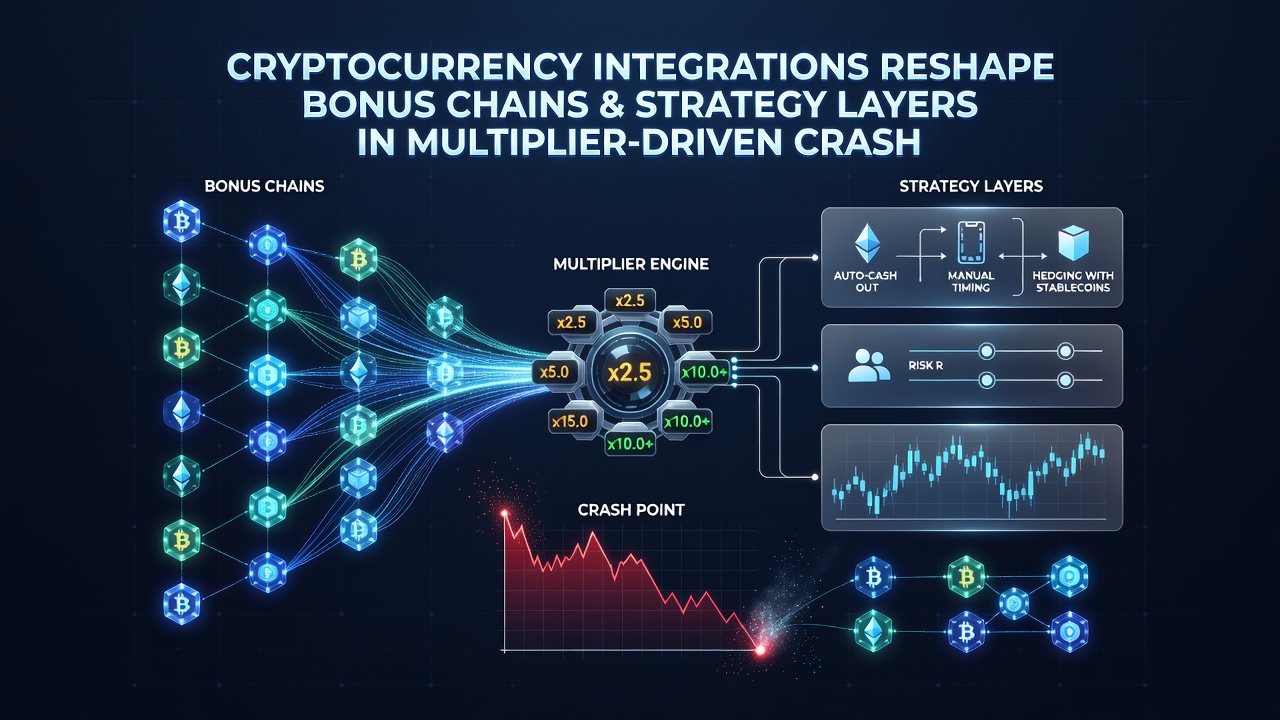
Studies from gaming analytics firms indicate that crash titles now route deposit bonuses, cashback tiers, and loyalty multipliers through smart-contract conditions that release automatically once on-chain thresholds are met. Those who've examined transaction logs report that a single deposit in Bitcoin or stablecoins can trigger chained rewards where each cash-out event feeds the next eligibility requirement, something fiat processors handled sequentially and with higher latency. Research released in early 2026 by European betting associations documented a 34 percent rise in average bonus chain length on platforms accepting crypto compared with card-only sites during the preceding twelve months.
Impact on Real-Time Decision Layers
Players manage auto-cashout settings, manual overrides, and multiplier targets in environments where wallet balances update within seconds of each round conclusion. According to transaction data aggregated by North American research groups, this speed has encouraged operators to introduce conditional bonus steps that activate only after consecutive successful cash-outs above specific multiplier bands. The result appears in strategy adjustments where participants program sequences that combine partial withdrawals with continued play to satisfy progressive reward conditions without leaving the session.
Regional Patterns Observed Through July 2026
Figures compiled by the Australian Gambling Research Centre reveal that offshore crash platforms accepting multiple cryptocurrencies recorded higher volumes of micro-transactions during bonus redemption windows than their regional counterparts. Analysts attribute part of the difference to lower minimum withdrawal thresholds that crypto networks support, allowing participants to extract small winnings and re-enter the same round cycle to meet layered bonus criteria. Canadian provincial reports released the same month noted similar patterns among operators that migrated select crash titles to on-chain settlement during 2025.
Strategy Adjustments Documented by Operators
Industry reports compiled by the Interactive Gaming Council highlight that participants increasingly treat bonus chains as modular sequences rather than single events. One documented approach involves splitting a crypto deposit across two wallet addresses so that each address independently qualifies for separate reward tiers, then recombining balances after the initial round completes. Data sets shared by platform providers show these split-wallet tactics correlate with longer session durations and higher completion rates for multi-stage bonus requirements.
Technical Infrastructure Supporting Layered Play
Blockchain confirmations that settle in under a minute have allowed developers to embed conditional triggers directly into game clients, so that a multiplier reaching a predetermined level automatically issues the next bonus credit without manual claims. Observers tracking code updates note that several major crash titles introduced API endpoints in mid-2026 that let third-party tools monitor both on-chain balances and in-game multiplier states simultaneously. This integration reduces the friction that previously interrupted strategy execution when rewards had to be claimed through separate portals.
Measurement of Participation Shifts
Longitudinal data collected across platforms accepting crypto indicates that average number of rounds required to complete a full bonus ladder dropped from 47 to 31 between January 2025 and July 2026. Researchers link the reduction to the elimination of processing queues that once separated deposit confirmation from bonus activation. Those reviewing aggregated logs also record increased use of scheduled cash-out scripts that align with on-chain events, suggesting participants now optimize timing across both game mechanics and ledger states rather than game mechanics alone.
Conclusion
Platform operators and analytics groups continue to track how cryptocurrency settlement changes the structure of bonus progressions and the tactical options available inside multiplier-driven crash environments. Current evidence points to tighter coupling between transaction speed, reward layering, and session planning, with measurable effects on participation patterns through the first half of 2026. Additional reports scheduled for release later in the year are expected to provide further granularity on these evolving systems.